When you sit down to run a poker check raise strategy, the real question is how much value you can extract from a medium-strength hand without blowing up your stack. Most operators treat check raising as a late-stage bluff, but the right table position and a patient betting line can turn a modest holding into steady profit. That balance is exactly what separates a solid session from a costly one.
Reading the Board Before You Check
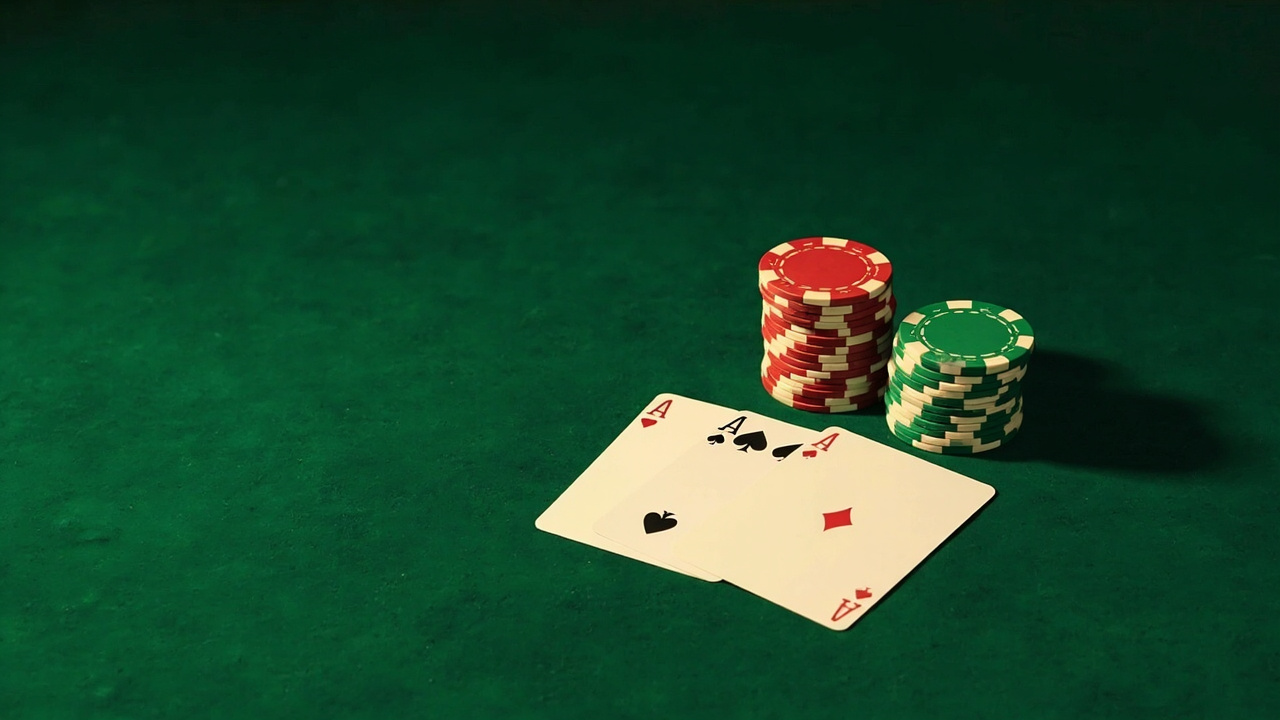
A poker check raise strategy lives or dies on how well you read the flop and turn. The trick is to identify streets where your opponent is likely to continue betting with a modest hand, then use your check to invite that bet so you can raise for value or protection. You want a texture that offers plenty of draw potential and a line where your opponent has shown a tendency to fire on the second street. In practice, that means targeting boards where your range has decent equity but not enough raw strength to lead.
I’ve watched supplier launches stall because the commercial team pushed the same aggressive line across every market, much like a new poker room trying to run a one-size-fits-all check raise guide. The ones that actually grow position the play to the player mix and the local table pace, then adjust the sizing to match the buy-in level. That same judgement call applies here: if the board is dry and your opponent is tight, a check raise often gets you nowhere, so you fold the idea and wait for a better spot.
For Australians, the practical takeaway is simple. Local tables tend to run a bit looser in the arvo when the crowd is relaxed, so you need a clearer read before you commit chips on a second bet. If you are playing shorter sessions, prioritise positions where you can see the turn card cheaply and keep the pot manageable.
When to Check Raise and When to Fold the Idea
Spotting the Right Moment on the Flop
The best time to run a poker check raise strategy is when you have a hand that can call one more bet profitably and you suspect your opponent will barrel on the turn. You are not looking for a monster hand; you are looking for a hand that can extract an extra street of value from a weaker holding or a draw that is still behind. Position matters here, because checking from the button or cut-off gives you more information and lets you control the pot size on the next street. If the flop comes with two low cards and a decent kicker, and your opponent has shown a willingness to bet into you, that is a genuine candidate for a check raise.
Keeping the Pot Under Control on Later Streets
The second half of the decision is knowing when to stop. A check raise on the flop can look strong, but if the turn brings a card that completes a likely draw, you need to reassess whether your hand still has enough equity to keep pressing. Overplaying a medium pair into a multi-way pot is where most sessions go sideways, and that is the same mistake I see when a supplier pushes a bonus mechanic that looks generous on paper but punishes regular play with heavy wagering. The fix is to cap the raise size, keep the pot proportional to your stack, and fold the line if the river texture goes against you. If you are tracking your own results, a simple comparison helps:
| Street | What you want to see | What should make you fold the check raise |
|---|---|---|
| Flop | Opponent bets into you, board has draw potential | Dry board, multi-way action, weak kicker |
| Turn | Your hand still has equity, pot stays manageable | Complete draw, opponent raises again, stack too shallow |
| River | Value remains or you can bluff a scare card | Opponent shows clear strength, pot odds no longer justify a raise |
Matching the Play to How You Actually Play
A poker check raise strategy only pays off when it fits the way you run your sessions. If you are the kind of player who prefers fewer streets and clearer value, you will want to reserve the check raise for spots where your hand has genuine showdown potential, not just a hopeful draw. If you are more comfortable playing a wider range and mixing in semi-bluffs, you can use the same line to apply pressure when the board complements your range. The key is consistency, because mixing the play randomly just gives observant opponents a free read on your timing tells.
That is where the operator side of the equation matters too. A well-built poker product gives you clear table filters, sensible stake steps, and a cashier that does not slow you down when you want to move money between sessions. When the registration flow is straightforward and the support team actually answers during a busy evening, you spend less time fighting the interface and more time working on the hands that matter.
What This Means for Australians
For players here, the practical consequence is that a check raise works best when you treat it as a selective tool, not a default play. Local tables can be busy as a Saturday night at a Adelaide pub, so you need to pick your spots carefully and avoid forcing the line just because you have chips in front of you. If you are playing shorter sessions or mixing in a few casual games, keep the raise sizes modest and make sure you understand the table stakes before you commit. No worries if you miss a spot – the play is about long-term edge, not forcing every hand.

That same patience pays off when you step away from the felt and try your luck on digital machines, where a steady approach often beats chasing every spin. If you want to explore how that mindset translates to other games, you can check out spinago online pokies on classic reels at https://spinagoonlinepokies.com/. The key is knowing when to stay disciplined and when to let the moment flow, whether you are holding cards or pressing a button.
The right poker check raise strategy is really a filter for discipline: you check to gather information, you raise when the board and your opponent’s line justify it, and you fold the idea when the equity or the pot size no longer supports it. Used that way, it adds value without turning a manageable hand into a costly mistake.